The Importance of Image Enhancement in Graphic Design
Introduction
In today’s visually driven world, images play a critical role in communication, marketing, branding, and advertising. Whether used on product packaging, websites, social media, brochures, or billboards, high-quality images capture attention, communicate messages, and influence customer decisions. However, not every photograph or digital image is perfect when it is first captured. Variations in lighting, color, exposure, sharpness, and background can reduce an image’s effectiveness. This is where image enhancement becomes an essential part of the graphic design process.
Image enhancement refers to the process of improving the visual quality of an image by adjusting its colors, brightness, contrast, sharpness, composition, and other elements. Graphic designers use professional software and advanced editing techniques to produce images that are attractive, accurate, and suitable for both digital and print media.
At AinAlifArts, image enhancement is considered one of the most important stages of professional graphic design. Our objective is to ensure that every image represents our clients’ products and brands in the best possible way while maintaining realism, consistency, and print quality.
What Is Image Enhancement?
Image enhancement is the process of modifying an image to improve its overall appearance without changing its essential content. The goal is to produce images that are cleaner, clearer, more vibrant, and visually appealing.
Enhancement may include:
Brightness and contrast adjustment
Color correction
White balance correction
Exposure improvement
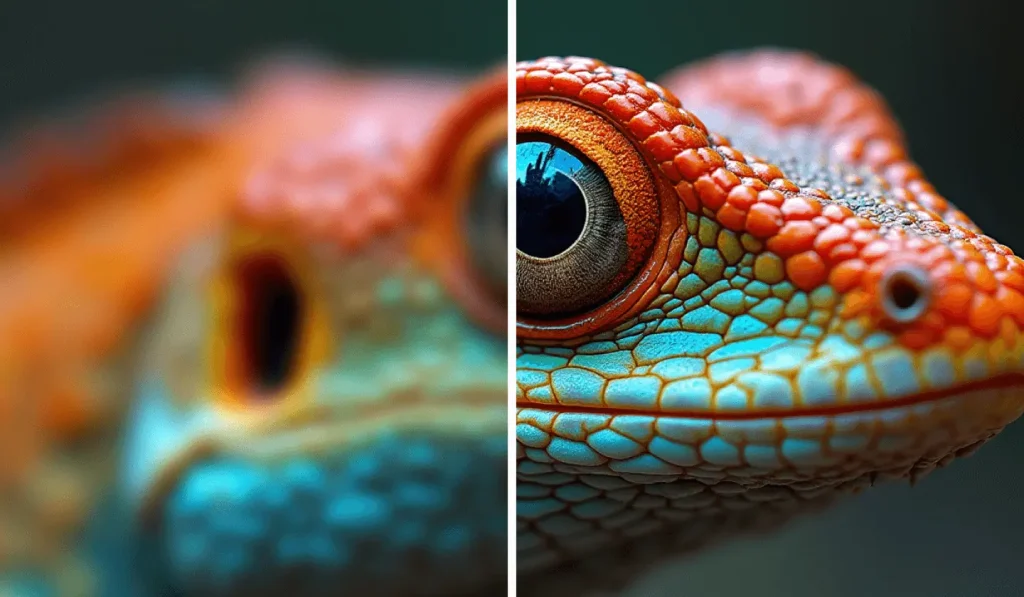
Image sharpening
Noise reduction
Background removal or replacement
Dust and scratch removal
Skin retouching
Object cleanup
Reflection and shadow enhancement
High-resolution upscaling
Image restoration
Each technique is selected according to the intended use of the image, ensuring the final result is suitable for commercial printing or digital publication.
Why Image Enhancement Is Important
1. Creates a Strong First Impression
People naturally notice visuals before they read text. High-quality images immediately capture attention and create a positive first impression. A professionally enhanced image demonstrates quality, professionalism, and attention to detail.
Businesses that invest in high-quality visuals often gain greater customer trust because their products appear more reliable and premium.
2. Strengthens Brand Identity
Every successful brand relies on visual consistency. Enhanced images ensure that all marketing materials maintain the same colors, lighting, tone, and style.
Consistent imagery helps customers recognize a brand quickly and builds familiarity across different platforms such as websites, packaging, catalogs, and social media.
3. Improves Product Presentation
Product photography often requires enhancement before it is ready for marketing. Even professionally photographed products may require adjustments to improve brightness, remove unwanted reflections, or correct colors.
Enhanced product images help customers view products more clearly and confidently, increasing the likelihood of purchase.
4. Essential for Print Production
Commercial printing requires images with proper color profiles, high resolution, and excellent clarity. Images that look acceptable on a screen may print poorly if they are not professionally enhanced.
Image enhancement ensures:
Accurate color reproduction
Sharp printing quality
Proper contrast
High-resolution output
Reduced printing defects
This is especially important for packaging, magazines, catalogs, brochures, and promotional materials.
Image Enhancement in Packaging Design
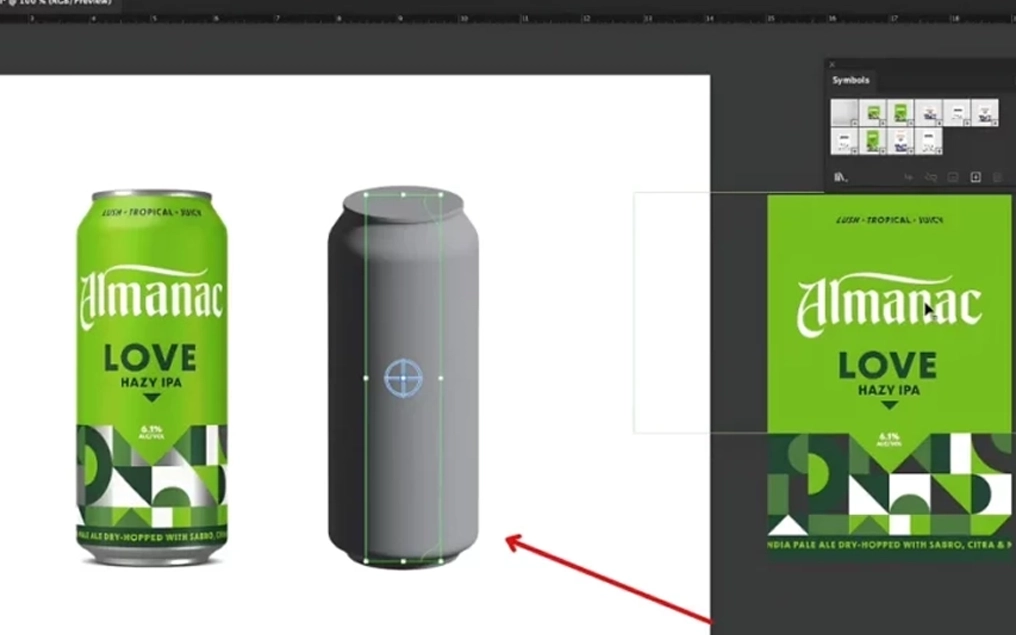
Packaging design depends heavily on high-quality product images and illustrations. Customers often judge a product by its appearance before making a purchase.
Image enhancement helps packaging by:
Making products appear cleaner and fresher
Improving label readability
Highlighting textures and details
Producing vibrant colors
Removing distracting backgrounds
Maintaining accurate brand colors
Professional packaging requires images that remain sharp even when printed on large boxes or premium packaging materials.
Image Enhancement in Branding
Branding extends beyond logos and typography. Images are one of the strongest components of a company’s visual identity.
Businesses use enhanced images for:
Company profiles
Annual reports
Advertisements
Social media campaigns
Websites
Business presentations
Promotional banners
Corporate brochures
Professional image enhancement ensures all branding materials present a polished and unified appearance.
Improving Marketing Performance
Marketing success depends on attracting attention within seconds. Enhanced images increase engagement across digital and print platforms.
High-quality visuals typically lead to:
Increased customer interest
Better social media engagement
Higher website traffic
Improved advertising performance
Stronger customer confidence
Increased sales opportunities
Research consistently shows that people respond more positively to professionally presented visuals than to low-quality or poorly edited images.
Image Enhancement Techniques Used by Professionals
Color Correction
Correcting inaccurate colors ensures products appear natural and consistent across all marketing materials.
Brightness and Contrast Adjustment
Proper brightness and contrast reveal important details and improve overall image clarity.
Background Removal
Removing distracting backgrounds allows products to stand out while maintaining a clean, professional appearance.
Retouching
Retouching removes imperfections such as dust, scratches, stains, wrinkles, or unwanted objects while preserving realism.
Image Sharpening
Sharpening enhances edges and fine details, producing crisp images suitable for commercial printing.
Noise Reduction
Digital noise caused by poor lighting or camera limitations is minimized to create smoother, cleaner photographs.
Shadow and Reflection Enhancement
Natural-looking shadows and reflections add realism and depth, making products appear more attractive.
High-Resolution Preparation
Professional designers prepare images at high resolution (typically 300 DPI or higher) to ensure excellent print quality.
The Role of Image Enhancement in Different Industries
Image enhancement benefits nearly every industry, including:
Food Industry
Food packaging requires vibrant colors that make products look fresh, delicious, and appealing.
Cosmetics
Beauty products require smooth textures, accurate colors, and elegant presentation to communicate quality.
Fashion
Clothing and accessories benefit from improved lighting, wrinkle removal, and accurate fabric colors.
Real Estate
Enhanced property photographs make homes appear brighter, larger, and more inviting.
Healthcare
Medical companies require clean, accurate visuals that communicate professionalism and trust.
E-Commerce
Online shoppers depend entirely on product images. Enhanced visuals reduce uncertainty and improve purchasing confidence.
Maintaining Image Quality Across Platforms
Images are often used across multiple formats, including:
Websites
Mobile applications
Social media
Product packaging
Posters
Billboards
Catalogs
Trade show displays
Business presentations
Each platform requires different image dimensions, resolutions, and color settings. Professional enhancement ensures images maintain their quality regardless of where they are displayed.
Modern Software Used for Image Enhancement
Professional designers use industry-standard software to produce outstanding results. Common tools include:
Adobe Photoshop
Adobe Lightroom
Adobe Illustrator (for vector enhancement)
Capture One
Corel PHOTO-PAINT
AI-assisted image enhancement tools
These applications allow designers to perform precise adjustments while preserving image quality.
Image Enhancement at AinAlifArts
At AinAlifArts, image enhancement is an essential part of every creative project. We carefully evaluate each image before beginning the design process to ensure it meets professional standards for both digital and print applications.
Our image enhancement services include:
Professional photo retouching
Product image enhancement
Packaging image preparation
Background removal
Color correction
Print color optimization
Image restoration
High-resolution conversion
Shadow creation
Reflection effects
Batch image editing
Social media image optimization
Every image undergoes a quality inspection before final delivery to ensure consistency, clarity, and production readiness.
Benefits for Clients
By choosing professional image enhancement services from AinAlifArts, clients receive:
Superior image quality
Professional brand presentation
Print-ready artwork
Consistent visual identity
Better customer engagement
Improved marketing performance
Increased product appeal
Reduced printing errors
Greater return on marketing investment
Conclusion
Image enhancement is far more than a cosmetic editing process—it is a critical element of professional graphic design. High-quality visuals improve communication, strengthen brand identity, increase customer trust, and ensure excellent print and digital results. From packaging and branding to advertising and online marketing, enhanced images help businesses present their products and services with confidence and professionalism.
At AinAlifArts, we combine creativity, technical expertise, and attention to detail to produce images that not only look exceptional but also perform effectively across every medium. By transforming ordinary photographs into polished, production-ready visuals, we help our clients create lasting impressions, build stronger brands, and achieve greater success in today’s competitive marketplace.